Reviving Vintage Vehicles Through Expert Techniques
Restoring classic cars is a meticulous art that blends passion with precision. Each vintage car carries a unique story, and the process of revitalizing these vehicles allows this history to shine once more. For enthusiasts and collectors alike, seeing an old vehicle return to its former glory is a rewarding experience. This article delves into the journey of bringing classic cars back to life, exploring various facets of restoration while addressing common concerns faced by those embarking on such projects.

The Allure of Classic Car Restoration
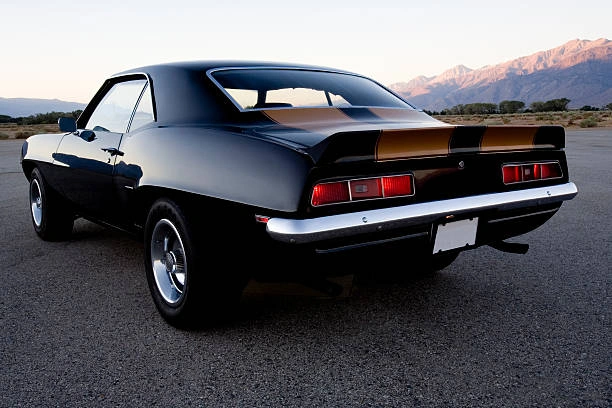
Classic car enthusiasts often find themselves drawn to the charm of vintage vehicles. The appeal lies not only in the timeless design but also in the nostalgia they evoke. For many, restoring a classic car is about preserving history and craftsmanship. The work involved is both challenging and fulfilling, offering a profound sense of satisfaction when the final product mirrors its original splendor. Auto restoration plays a pivotal role in maintaining these irreplaceable pieces of history for future generations to appreciate.
Understanding the Challenges Involved
Tackling a classic car restoration project comes with its set of challenges. From sourcing rare parts to dealing with rust and wear, each step requires careful consideration. Additionally, ensuring adherence to historical accuracy can be daunting, as even minor deviations might compromise authenticity. Knowing how to navigate these obstacles is crucial for anyone considering undertaking such a venture.
Essential Steps in the Restoration Process
A successful auto restoration involves meticulous planning and execution. Here are key steps commonly followed:
- Assessment: Evaluate the car’s condition and identify areas needing attention.
- Dismantling: Carefully disassemble components to understand what needs replacement or repair.
- Repairing: Address structural issues, remove rust, and fix damaged parts.
- Reassembly: Reconstruct the vehicle using repaired or new parts.
- Finishing: Apply paint and polish to restore the car’s aesthetic appeal.
- Final Inspection: Ensure everything works correctly and meets quality standards.
Best Practices for Restoring Classic Cars
Following industry best practices ensures longevity and quality in your restored vehicle. First, always maintain detailed records of all repairs and replacements. This documentation proves invaluable for future maintenance or resale purposes. Second, employ professionals who specialize in classic cars to avoid costly mistakes. Lastly, prioritize regular maintenance post-restoration to preserve your vehicle’s pristine condition over time.
Navigating Costs and Investments
Cost considerations are paramount when deciding to restore a classic car. It’s important to budget realistically, accounting for potential unforeseen expenses during the process. While initial investment may appear significant, remember that well-restored vehicles often appreciate in value. Evaluating the long-term benefits against upfront costs helps ensure financial viability of the project.
The Importance of Quality Assurance
Ensuring high-quality results in any restoration project hinges on strict adherence to quality assurance measures. Regular checks throughout the process help catch discrepancies early before they escalate into larger issues. Using authentic parts whenever possible further enhances the finished product’s integrity. By prioritizing quality from start to finish, restorers can guarantee satisfaction and reliability in their work.
Your Path to Successful Restoration Projects
If you’re ready to breathe new life into your vintage vehicle, partnering with experts can make all the difference. At Stan's Auto Body and Painting LLC, we excel in providing comprehensive restoration services tailored to each client’s unique vision and requirements. Based in Honolulu, HI, our skilled team leverages years of expertise to deliver exceptional outcomes for every project. Call us at (808) 391-5912 to begin your exciting journey today.