Understanding the Essentials of Collision Repairs for Your Vehicle
When your car is damaged in an accident, approving collision repair work can be daunting. It’s essential to make informed decisions to ensure both safety and quality restoration. The process involves multiple steps, from assessing the damage to choosing the right service provider. Understanding what happens at each stage will help you make the best choices. By focusing on quality repairs, you safeguard your vehicle’s longevity and performance. This guide covers vital points you need to consider before giving the go-ahead for any repair work.
The Importance of Thorough Inspections
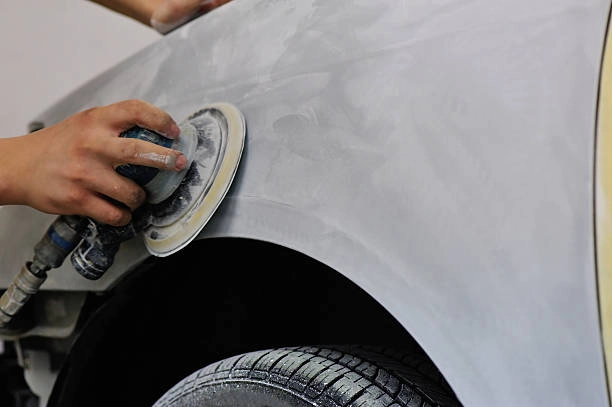
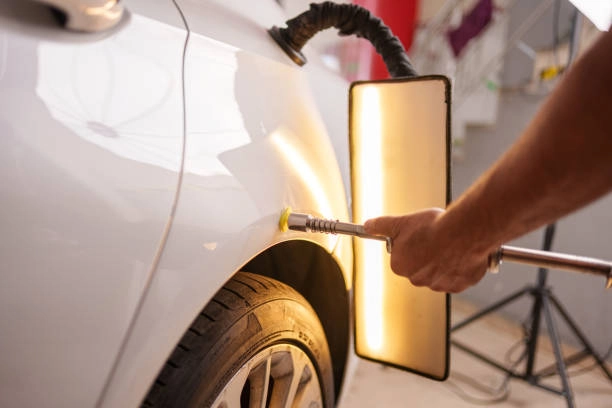
A thorough inspection is crucial before starting any repair. Trained technicians assess visible damages and check for hidden issues. They use specialized tools to evaluate your car’s condition fully. This step ensures that no problem is overlooked, which could lead to further complications down the line. A detailed report should follow this inspection, outlining necessary repairs.
Choosing a Reputable Repair Shop
Selecting the right repair shop plays a significant role in the overall outcome of automotive collision repair. Look for facilities with certified technicians and a good reputation in your community. Ask friends or family for recommendations and read online reviews. A reputable shop will offer transparent estimates and clear communication throughout the repair process.
Evaluating Repair Estimates
Repair estimates can vary widely between shops, so it’s important to understand what you’re paying for. Make sure estimates are itemized and include parts, labor, and other costs associated with automotive collision repair. Avoid simply choosing the lowest bid; instead, focus on getting value for your money by ensuring high-quality materials and workmanship.
Understanding Insurance Coverage
Your insurance policy significantly impacts how much you pay out-of-pocket for repairs. Familiarize yourself with your coverage details, including deductibles and exclusions. Contact your insurance company to clarify any uncertainties about what they will cover. Some policies may not cover certain types of damage or specific repair methods, so it’s best to know these limitations upfront.
Advantages of OEM Parts
Original Equipment Manufacturer (OEM) parts can offer better reliability compared to aftermarket alternatives. These parts are made by your car’s manufacturer and typically fit better while ensuring optimal performance. Although they might be pricier than aftermarket parts, they often come with a warranty that can provide peace of mind regarding their durability and function.
Questions to Ask Your Technician
Before approving repairs, discuss all concerns with your technician. Key questions include:
- What specific repairs are needed?
- How long will the repair take?
- What type of warranty comes with the work?
- Will non-OEM parts affect my car’s performance?
Finalizing Your Decision
After gathering all information, carefully review each aspect before final approval. Consider factors like cost, time, and part quality. The goal is to restore your vehicle to its pre-accident state, maintaining both safety and aesthetics. Don’t rush the decision-making process; a well-informed choice leads to satisfaction long after repairs are complete.
Getting Started With Professional Collision Repair Services
If you’re looking for expert assistance in restoring your vehicle, contact us at (808) 391-5912. Our team provides unparalleled service across Honolulu, HI. At Stan's Auto Body and Painting LLC, we specialize in delivering high-quality solutions tailored to meet your needs.